
Jagadguru Mahapurush Shrimanta Shankardeva – Philosophy, Life & Works
Discover the life, teachings, and cultural legacy of Jagadguru Shrimanta Shankardeva through the research and writings of Dr. Paraag Bhooyaan.
Introduction
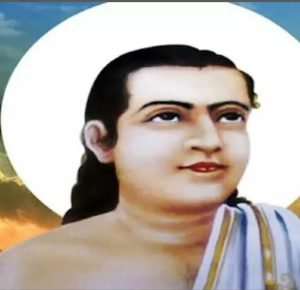
Jagadguru Shrimanta Shankardeva (1449–1568) stands as one of the greatest spiritual reformers, cultural icons, and literary figures in Indian history. Revered as the founder of Neo-Vaishnavism in Assam, Shankardeva transformed not only the religious landscape but also the art, music, and literature of his time. His work united communities, broke caste barriers, and inspired generations with a vision of devotion rooted in equality, morality, and compassion.
As a devoted scholar and author, Dr. Paraag Bhooyaan has dedicated his life to researching and spreading the timeless philosophy of Shankardeva. Through books, lectures, and articles, Dr. Bhooyaan offers authentic resources for those who wish to understand and live by the teachings of this great saint.
Early Life of Mahapurush Shrimanta Shankardeva
Shankardeva was born in 1449 at Alipukhuri, Bordowa, in present-day Nagaon district of Assam, into a noble Kayastha family. Orphaned at a young age, he was raised by his grandmother. From childhood, Shankardeva exhibited remarkable intelligence, a sharp memory, and a deep curiosity about the world. His early education at the tol (traditional school) of Mahendra Kandali exposed him to Sanskrit scriptures, philosophy, and grammar.
This formative period instilled in him a profound respect for spiritual wisdom and an eagerness to challenge social inequalities. Unlike many saints of his time, Shankardeva’s worldview was shaped not only by religious study but also by firsthand observation of the socio-political divisions in Assamese society.
Mahapurush Shrimanta Shankardeva’s Spiritual Journey and Neo-Vaishnavism
Shankardeva’s transformative journey began with his pilgrimage across India. Traveling to holy sites like Jagannath Puri, Vrindavan, and Dwarka, he absorbed diverse religious traditions. His spiritual awakening crystallized in the teachings of Bhakti—the path of loving devotion to a personal deity, in his case, Lord Krishna.
In Assam, he founded Ekasarana Dharma, the doctrine of exclusive devotion to one God without complex rituals or idol worship. This form of Neo-Vaishnavism emphasized:
- Devotion (Bhakti) as the highest spiritual goal.
- Equality beyond caste, creed, or gender.
- Moral living through honesty, compassion, and humility.
- Community worship through singing, storytelling, and drama.
Shankardeva rejected animal sacrifices, superstitions, and ritualistic practices, making spirituality accessible to common people. His teachings resonated deeply with those marginalized by the rigid caste system.
Literary Contributions
A prolific writer, Shankardeva’s works are a treasure trove of devotion and literary beauty. His Borgeet (devotional songs) remain unmatched in lyrical grace and spiritual depth. Composed in the Assamese Brajavali language, these songs combine poetic artistry with profound theology.
Key works include:
- Kirtan Ghoxa – A compilation of verses narrating the deeds of Lord Krishna.
- Gunamala – A condensed account of the Bhagavata Purana, encapsulating its essence in a single night at the request of King Naranarayan.
- Ankia Naat – One-act plays depicting divine stories, meant for community performance.
- Bhatima – Hymns in praise of God and His devotees.
Through literature, Shankardeva not only spread devotion but also standardized Assamese as a literary language.
Artistic & Cultural Influence of Shankardeva
Shankardeva was not only a saint and poet but also a visionary cultural reformer.
Sattriya Dance
To bring spirituality to the masses, he developed Sattriya, a classical dance form recognized by the Sangeet Natak Akademi and now counted among India’s eight classical dances. Performed in Satras (Vaishnavite monasteries), Sattriya combines graceful movement, expressive gestures, and devotional themes.
Theatre & Music
His Ankia Naat plays are performed even today, blending drama, music, and dance to narrate Krishna’s pastimes. The accompanying music uses traditional instruments like khol and tala, creating an immersive devotional experience.
Architecture & Community Spaces
Shankardeva established Namghars (prayer houses) and Satras as community hubs for worship, learning, and social service. These institutions continue to shape Assam’s spiritual and cultural life.
Legacy & Modern Relevance
Shankardeva’s legacy extends far beyond Assam. His emphasis on equality, compassion, and community resonates with the principles of modern humanism. The movement he founded still thrives through:
- Satras preserving religious art forms.
- Annual festivals celebrating his birth and works.
- Educational institutions teaching his philosophy.
In a world fragmented by social and cultural divisions, Shankardeva’s message of unity through devotion remains profoundly relevant. His works inspire scholars, artists, and spiritual seekers across generations.
Resources for Learners
For those eager to dive deeper into Shankardeva’s life and philosophy, the following resources are invaluable:
- Books by Dr. Paraag Bhooyaan – Detailed studies of Shankardeva’s theology, literature, and cultural contributions.
- Articles & Essays – Scholarly and accessible writings on various aspects of Neo-Vaishnavism.
- Sattriya Performances – Recordings and descriptions of classical dance rooted in Shankardeva’s vision.
- Borgeet Collections – Translations and audio for devotional songs.
Conclusion
Jagadguru Shrimanta Shankardeva was not merely a religious leader—he was a poet, playwright, musician, social reformer, and cultural architect. His vision transformed Assamese society, leaving a legacy that continues to guide and inspire. Through the dedicated scholarship of Dr. Paraag Bhooyaan, the teachings of this great saint reach new audiences, ensuring that Shankardeva’s timeless message of devotion, equality, and unity continues to shine.