How Namghars Shaped Assamese Community Spirit
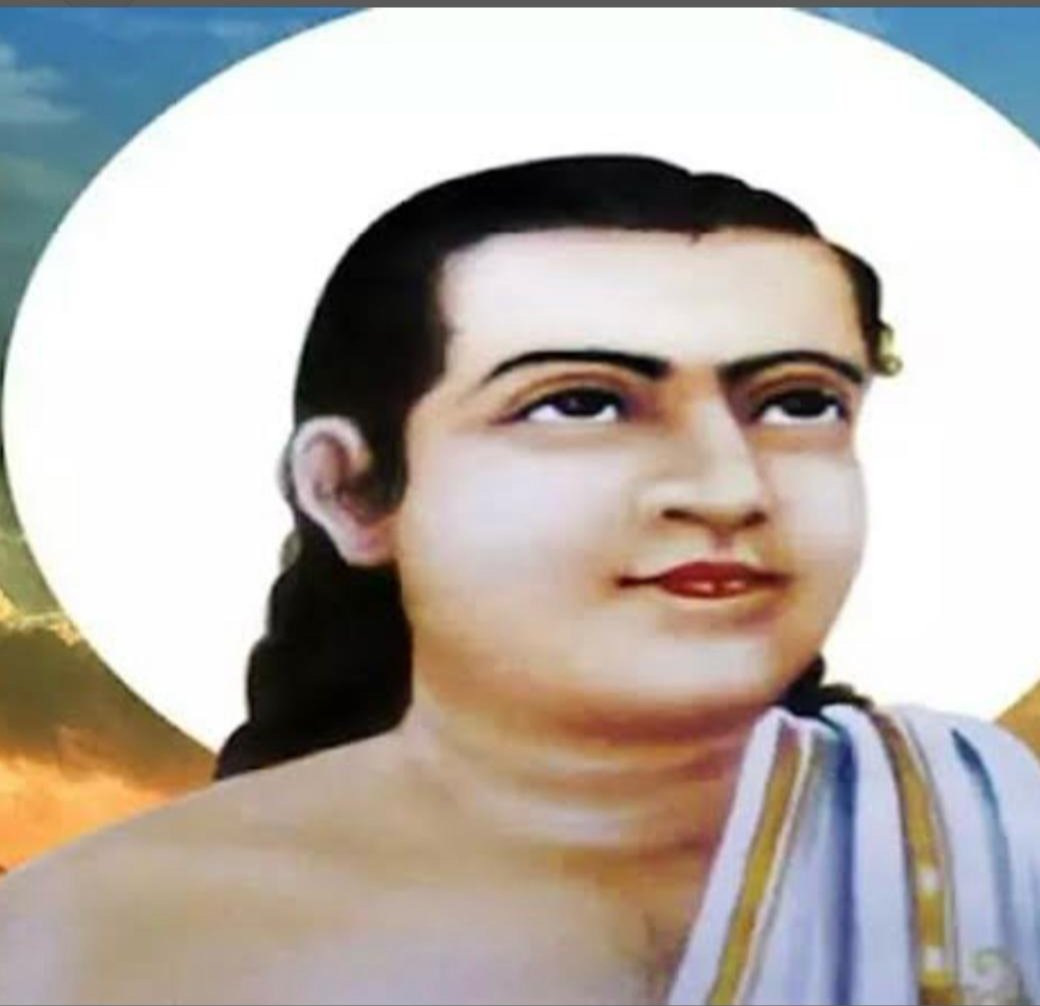
The Namghar (literally “House of Prayer”) is one of Srimanta Sankardev’s most enduring contributions to Assamese society. More than just a place of worship, the Namghar became the nucleus of community life, promoting unity, equality, and cultural continuity.
The Birth of Namghars
Sankardev envisioned Namghars as open spaces where anyone—regardless of caste or status—could gather to chant, pray, and discuss moral teachings.
A School of Culture & Morality
Namghars doubled as community schools, theatres, and cultural hubs, preserving Assamese traditions like Borgeets and Bhaonas.
Fostering Equality & Brotherhood
By removing social barriers, Namghars became living embodiments of Sankardev’s message of inclusivity and compassion.
The Namghar Today
Even in modern Assam, Namghars remain central to festivals, social decision-making, and cultural preservation.
Namghars continue to be a testament to Srimanta Sankardev’s vision of a united, spiritually enriched community—proving that his social reforms were far ahead of his time.